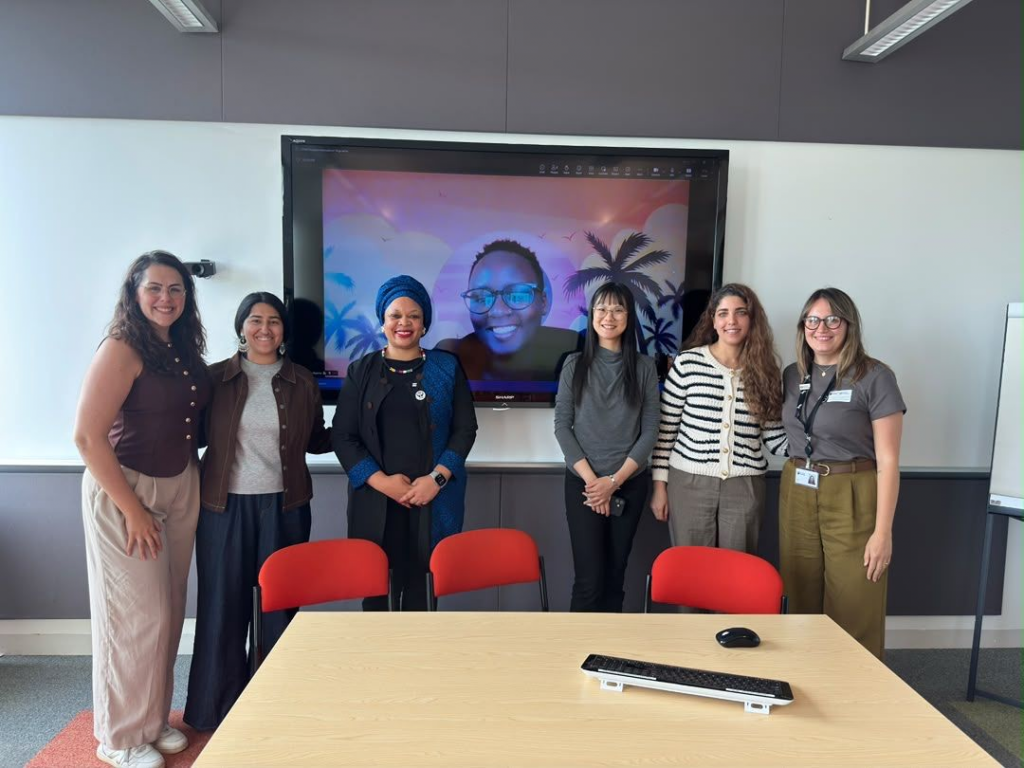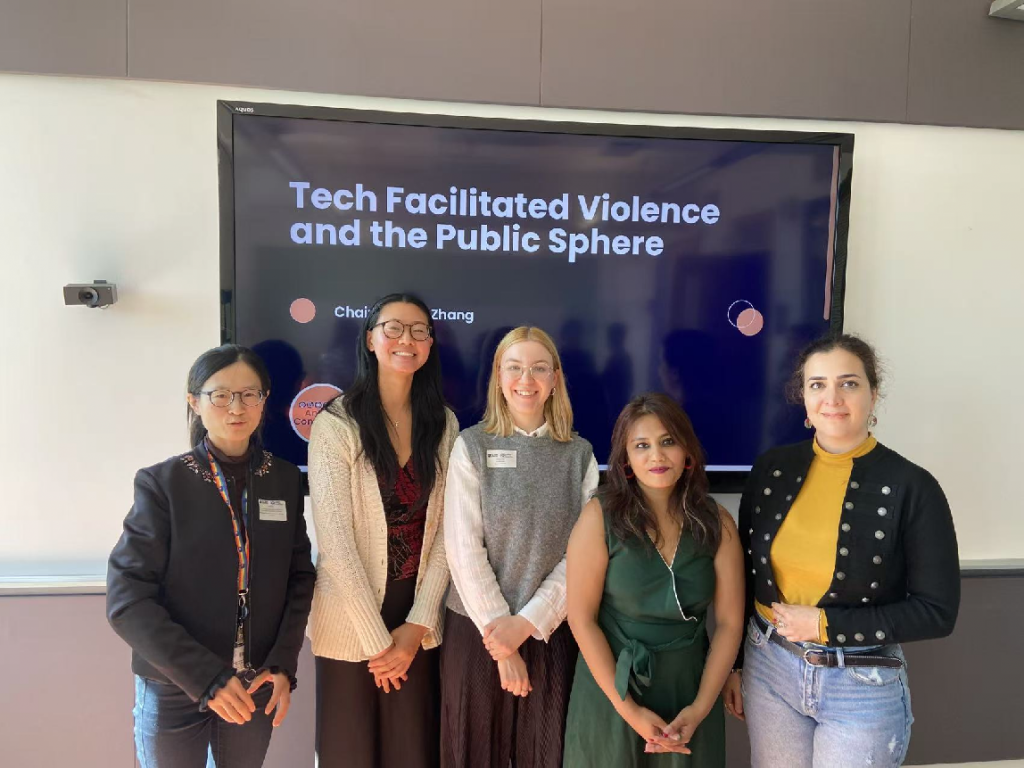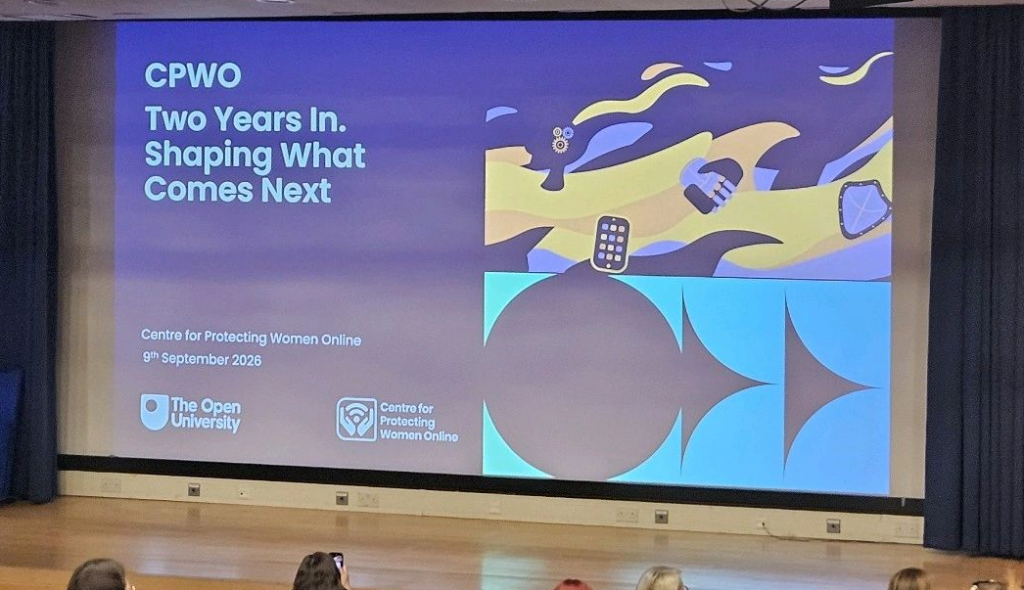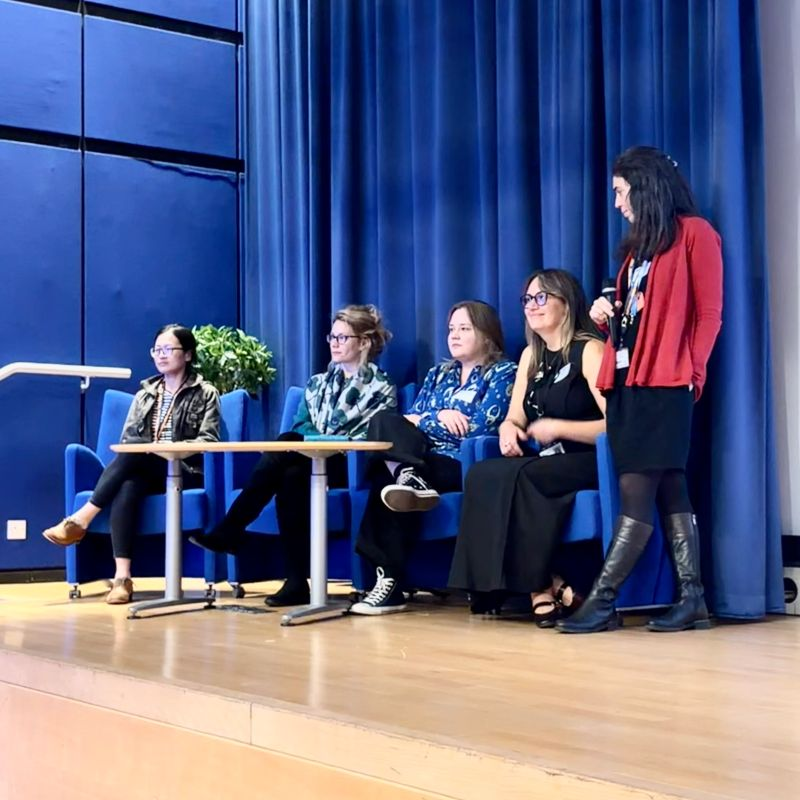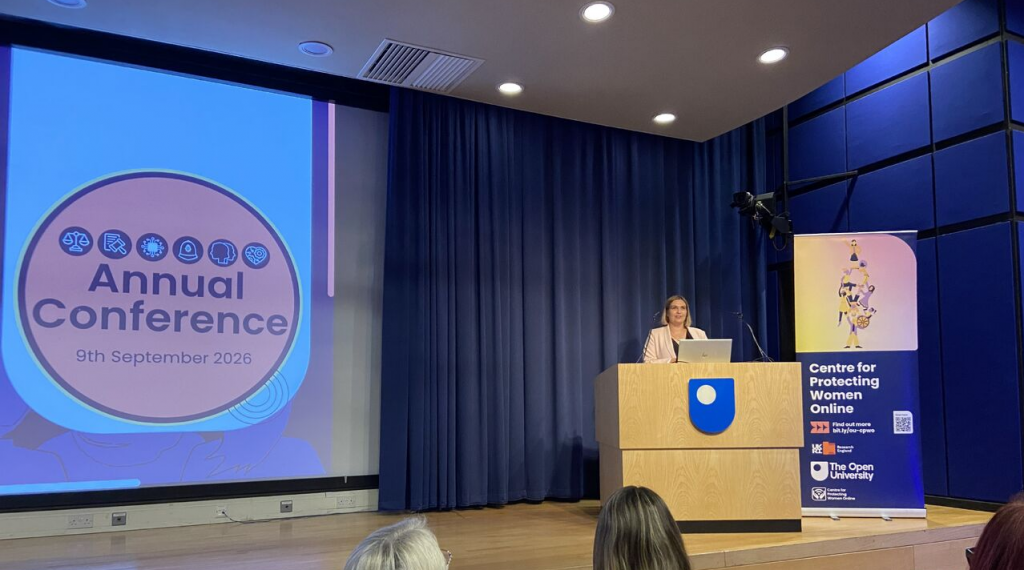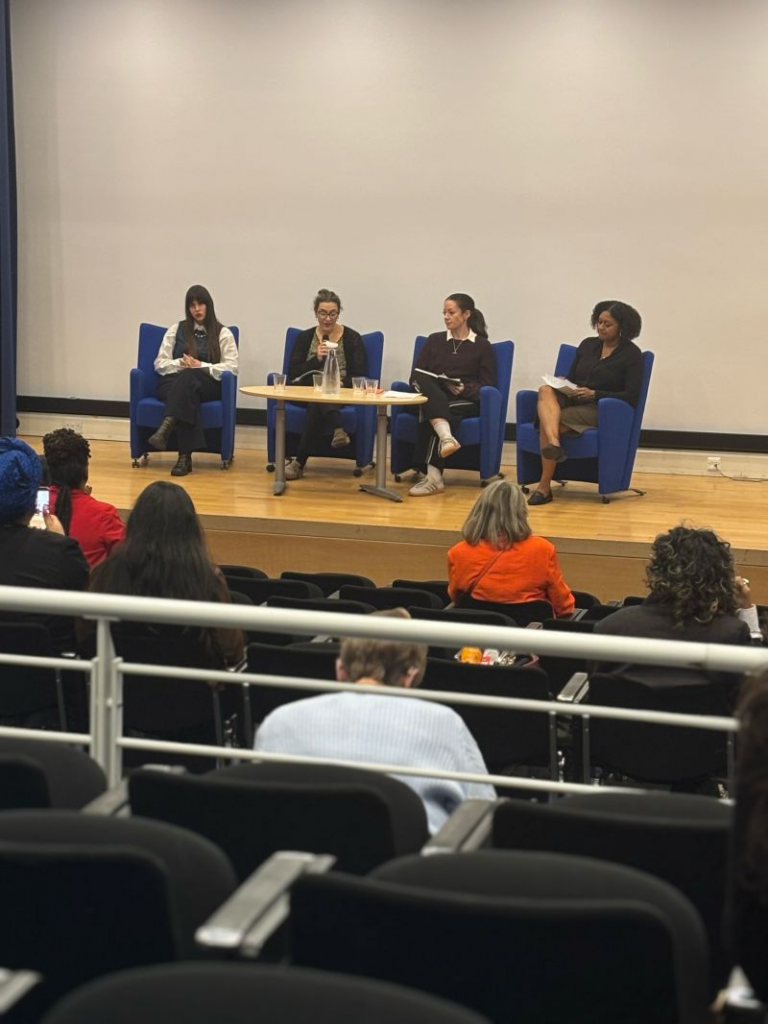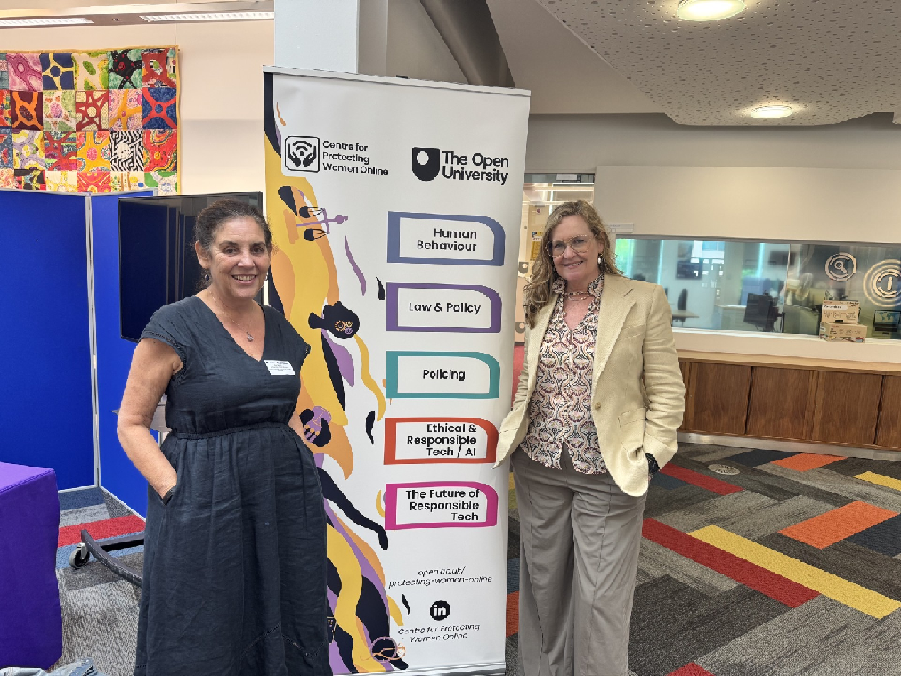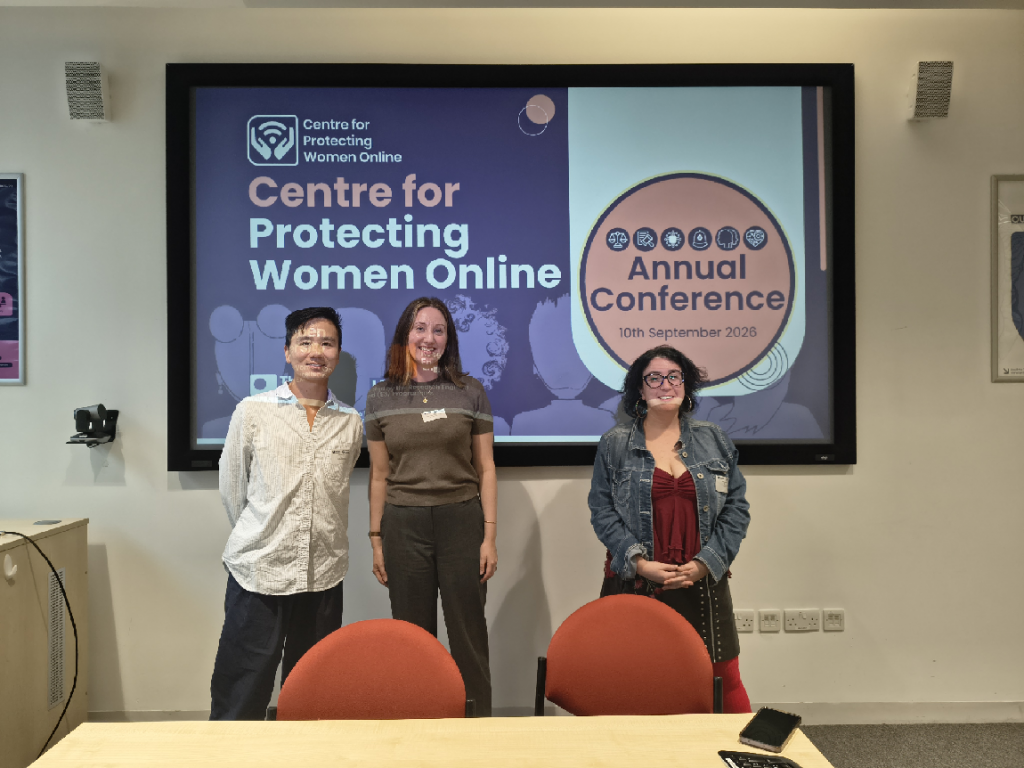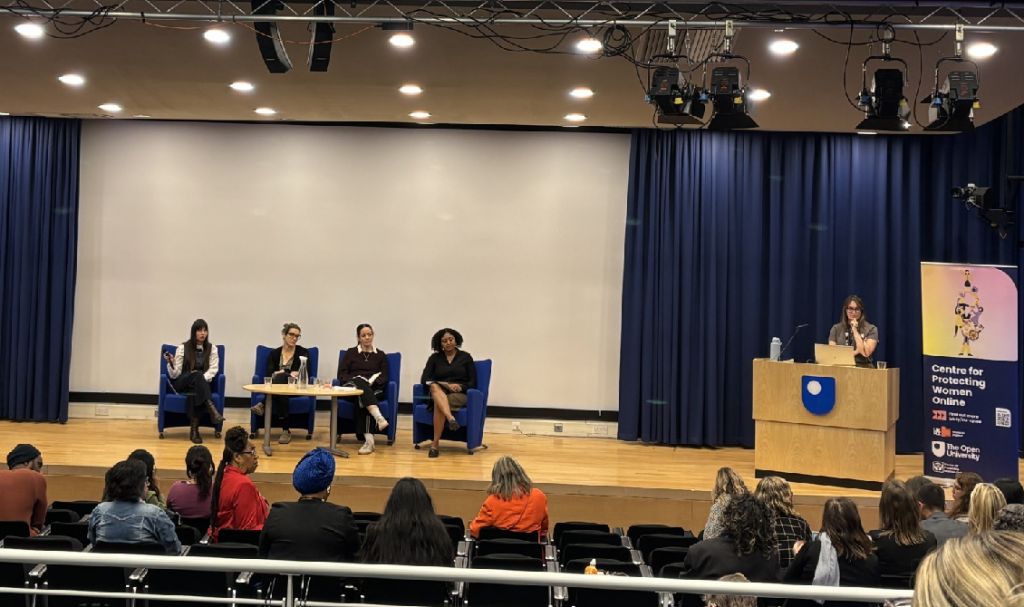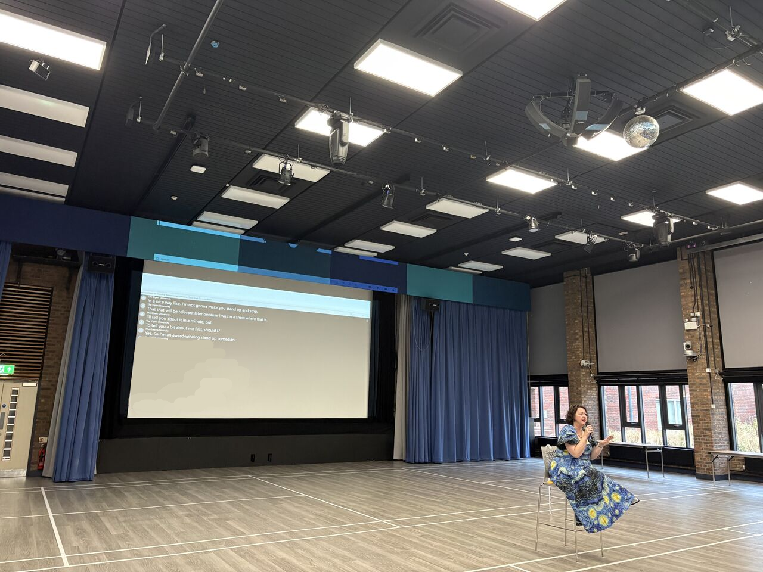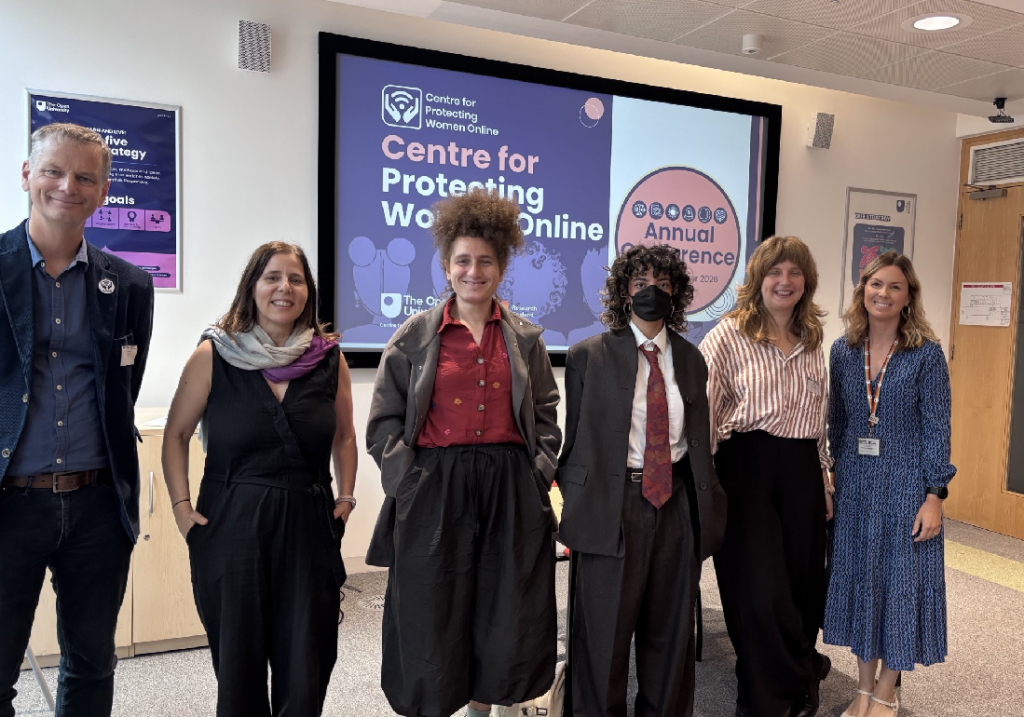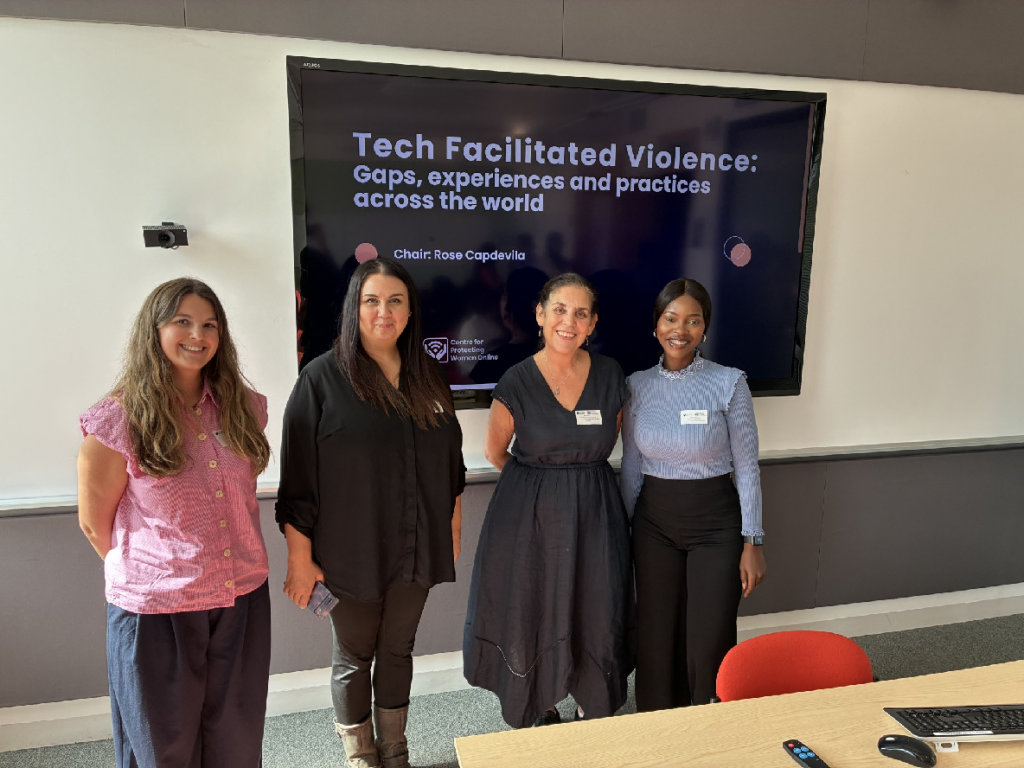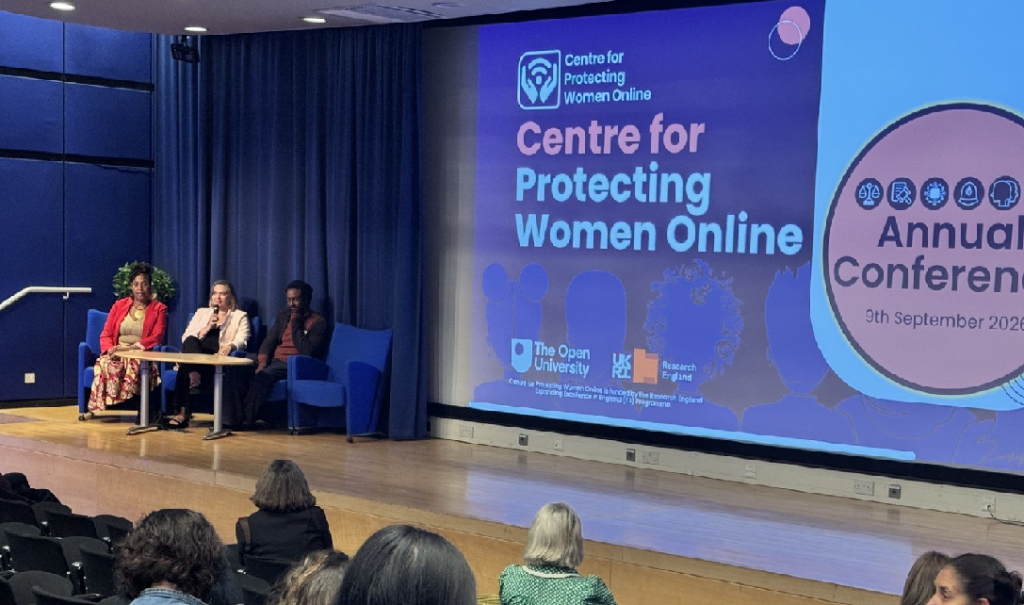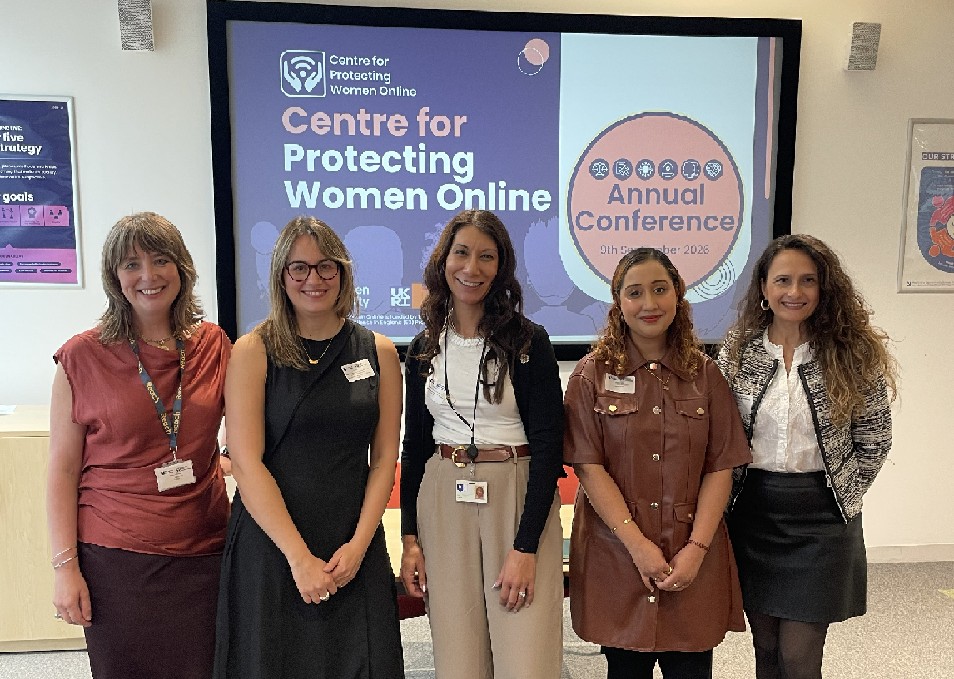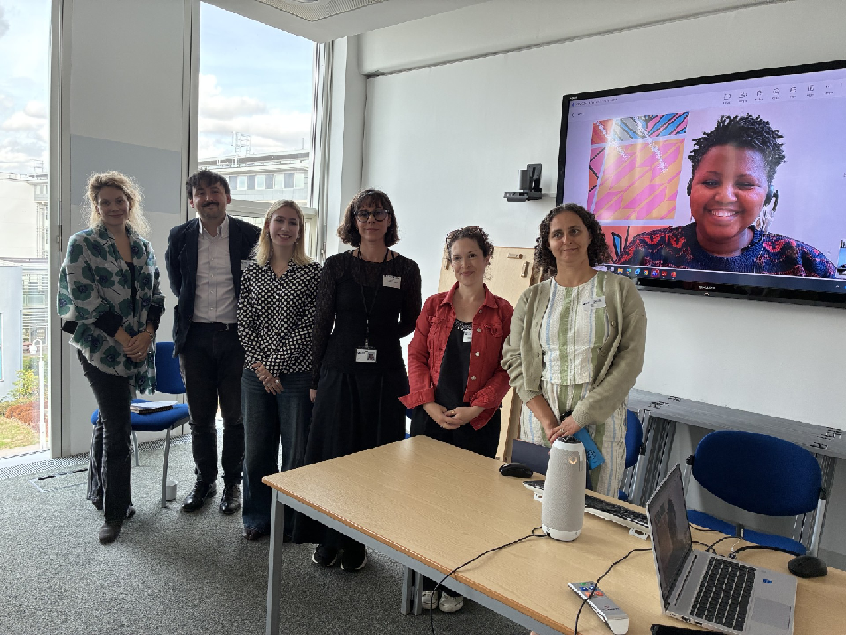
On 9 and 10 September, the Centre for Protecting Women Online brought together researchers, policymakers, practitioners, civil society organisations, technology experts, educators and others working to understand and address technology-facilitated violence against women and girls for its second Women and Girls’ Online Safety Conference at The Open University in Milton Keynes. With more than 60 speakers and presenters, the programme reflected the breadth of research and practice taking place across this area, while creating space for conversations between people approaching these issues from different sectors, disciplines and backgrounds.
The breadth of the programme was particularly significant because technology-facilitated violence against women and girls cannot be understood through any single form of harm or disciplinary perspective. Across two days, presentations considered non-consensual intimate image abuse, deepfake abuse, technology-facilitated violence in workplaces and institutions, the continuum of online and offline harms, dating apps, autonomous systems, intimate partner surveillance, policing, public services, young people’s experiences and the design and governance of digital platforms. Other sessions examined the implications of emerging technologies, including generative AI, as well as questions of law, regulation, accountability and feminist approaches to digital governance.
Much of the discussion at the conference have longstanding histories of research, activism and survivor advocacy. However, what has changed considerably is the technological, legal and policy environment in which they are taking place. Over the past year in particular, developments in AI, platform governance, online safety regulation, VAWG policy and criminal justice responses have created new opportunities for intervention, while also raising difficult questions about whether existing approaches are capable of responding to the scale, speed and complexity of technology-facilitated abuse.
The conference programme reflected this changing context. Professor Jessica Ringrose’s opening keynote considered technology-facilitated gender-based violence among teenagers alongside questions of regulation and critical digital literacies, while Professor Ricardo Baeza Yates addressed the role of AI, algorithms and the wider challenges of governing increasingly powerful digital systems. Bringing these perspectives into the same programme was valuable precisely because women and girls’ online safety requires attention to how technologies are designed, how systems distribute risk, how people understand and navigate digital environments, and how regulation and institutional practice can intervene earlier.
The international breadth of the conference also mattered. Presentations drew on research and practice from countries including Nigeria, Pakistan, Brazil, Chile and Australia, alongside work from across the UK and Europe. This provided an important reminder that technology-facilitated violence is shaped by different legal, cultural and technological contexts, and that responses developed in one setting cannot be assumed to work elsewhere.
The emphasis on practice throughout the conference was vital as evidence about online harms becomes truly meaningful when it can inform the decisions made by tech companies, policymakers, educators, practitioners, police and other institutions.
Taken together, the programme demonstrated why collaboration across these different areas is so necessary. Research can identify emerging forms of harm and challenge assumptions about how they operate. Practice can show where existing responses succeed or fail. Policy and law can create frameworks for protection and accountability, while technology itself can either reproduce existing inequalities or become part of the response. Bringing these perspectives together does not resolve those tensions, but it creates a much stronger basis for understanding them and working towards building them.
The conference provided a space to take stock of where research, policy and practice currently stand, while recognising that women and girls’ online safety encompasses a much wider set of questions than any single technology, offence or policy intervention. The energy of the conference came from that breadth, from bringing different forms of expertise into conversation and creating opportunities to build on the work already underway.
The third conference of the Centre for Protecting Women Online has been confirmed for 2027, with dates to be announced soon.